
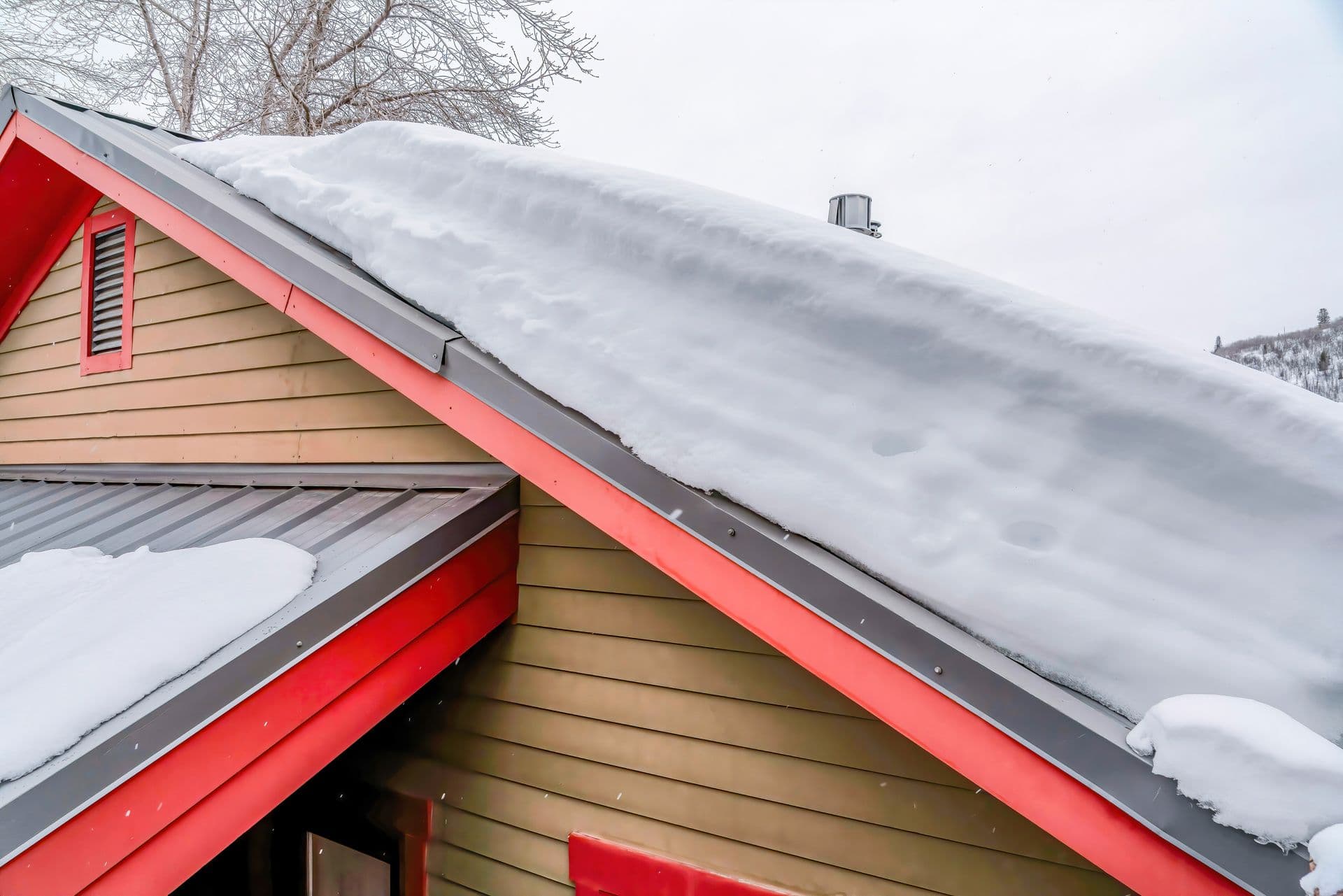
Can You Replace a Roof in Pennsylvania During Winter?
Replacing a roof in the middle of a Central Pennsylvania winter sounds like something to avoid, and there are fair reasons for the hesitation. Cold can keep asphalt shingles from sealing properly, and it makes materials brittle and harder to handle. On top of that, no one likes the idea of opening their home up to the bare deck with a storm in the forecast. Those concerns are real, and any good roofing contractor takes them seriously.
Still, winter doesn't rule out a roof replacement, and sometimes waiting until spring is the bigger risk. In this blog, we’ll walk through when a winter replacement actually makes sense, how your roofing material changes the picture, the warning signs that mean you shouldn't wait, and how the right contractor keeps your home protected while the work gets done.
Key Takeaways
- A good contractor works around inclement weather and picks the clear days.
- Metal fastens mechanically, with no heat-activated seal to wait on; asphalt needs around 40 degrees to seal properly, and careful handling below that.
- A failing roof gets worse over winter, not better.
- Same-day tear-off and re-cover, plus waterproof underlayment over the deck, are what keep a winter install safe.
Does Winter Really Stop a Roof Replacement?
Roofing crews don't go on a hiatus every winter. What changes in the colder months is the planning. A good roofing contractor watches the forecast and works the clear days, keeping materials warm until it's time to install them. In Pennsylvania, where long cold stretches get broken up by random thaws, that's just how year-round roofers operate.
There's a fine line between a cold day you can work on and one you can't. Snow, ice on the roof deck, or temperatures stuck well below freezing will stop a job. A clear day in the low 30s with no wind is a different story. Most winter delays come from a specific storm, not from the calendar date.
Asphalt Shingles Don't Love the Cold
Shingles seal to each other with a strip of adhesive that needs heat to set, and in the cold, that bond doesn't form the way it should. That makes asphalt fussier to install in winter than most homeowners expect. The asphalt industry generally draws the line around 40 degrees, and Owens Corning, the brand Solarshield installs, says the same in its own instructions: Don't put standard shingles down below that.
The cold also makes shingles stiff, so they can crack if they get bent or dropped. A crew that knows what they're doing keeps the bundles warm until the last minute and moves quickly once they're on the roof. Around or below 40 degrees, they'll often hand-seal the shingles so they bond before the next storm rolls through. Asphalt in winter is doable. It just needs a contractor who's honest about the conditions and about what would make them wait.
Metal Roofs Go On Fine in Winter
Metal doesn't have the same problem as asphalt. It doesn't rely on heat to seal anything.
Standing seam and metal shingles fasten mechanically, so there's no adhesive sitting there waiting for a warm day to activate. That's the single biggest reason metal is easier to install in the cold. Solarshield's metal roofs use 26-gauge galvanized steel, which stays put in cold weather without the brittleness or sealing worries that come with asphalt.
Between standing seam and metal shingles, neither has a real edge in the cold, so pick based on your house and your budget, not the time of year.
60-60-60 Sale!
60% OFF INSTALLATION OF A COMPLETE ROOFING SYSTEM!
60 MONTH FINANCING OPTIONS!
$60 VISA GIFT CARD WITH PURCHASE!
BONUS! $25 Amazon Gift Card with estimate!
Senior & Military Discounts Available


Signs You Shouldn't Wait for Spring
Some roofs can hang on until spring. Others can't. If you're seeing any of these issues, treat a roof replacement as urgent, not something to schedule around the holidays:
Water stains inside: Active moisture or brown marks on your ceilings or walls mean water is already getting in.
Missing or cracked shingles: Bare spots that expose the layer underneath give water a direct path to the deck.
Sagging or soft spots: A dip or a spongy area in the roof deck means damage is already underway.
Lifted or damaged flashing: The metal seals around chimneys and skylights are a common leak point once they come loose.
Heavy granule loss: When shingles wear down to the mat underneath, they're near the end of their lifespan.
Seeing more than one of these problems? It’s better to act fast than to wait.
Why Waiting Can Backfire
A failing roof keeps getting worse regardless of the weather, but winter can actually expedite damage:
Ice dams: Heat escaping through worn insulation melts the snow above, and it refreezes at the roof's edge, forcing water back up under the shingles.
Open leaks: Damaged or missing shingles let water straight into the deck.
Snow load: Piled-up snow leans on a deck that's already weak.
Much of that damage hides until spring, by which point it's reached the insulation and framing. Replacing a failing roof before the worst of winter usually costs less than fixing the water damage it lets in.
How a Good Contractor Protects Your Home Mid-Install
Homeowners worry about the gap between the old roof coming off and the new one going on, which is valid. That window carries more risk in winter than in July. Here's how a good crew handles it: They tear off and re-cover the same day whenever the weather allows, and they lay a waterproof underlayment over the deck before anything can blow in.
If conditions turn partway through, that underlayment keeps the house protected until they resume. Ask any contractor straight out how they manage that exposure before you sign. A vague answer tells you something.
Talk to a Central Pennsylvania Roofer Before Winter Sets In
Solarshield has handled professional roof replacements across Central Pennsylvania since 1978, and we're still family-owned. If you're weighing a roof replacement this winter, whether that's a new metal roof or figuring out if your asphalt can last one more season, we'll walk your roof with you and give you a straight read.
Reach out for a free quote today.